
Travlia.
Is Tanzania Safe to Travel?
Yes, Tanzania is generally safe to travel for tourism when visitors use normal precautions. Popular destinations like Serengeti, Ngorongoro Crater, Zanzibar, and Kilimanjaro operate within structured tourism systems with professional guides, regulated parks, and established hospitality services.
Country: Tanzania
Safety Level: Generally safe for tourism with normal precautions
Safest Areas: Serengeti, Ngorongoro, Zanzibar beach zones, Arusha
Safari Safety: Guided, regulated, vehicle-based wildlife viewing
Solo Travel: Common and manageable
Health Prep: Malaria precautions, bottled water, travel insurance
Best Practice: Use licensed tour operators and established accommodations
Is Tanzania Safe to Travel? What You Need to Know
Many travelers planning a safari, Zanzibar beach escape, or a climb up Mount Kilimanjaro begin with one key question: Is Tanzania Safe to Travel?
The short answer is yes. Tanzania is considered one of East Africa’s safer and more stable travel destinations when approached with normal awareness, responsible planning, and reputable tour operators.
Tourism plays a major role in Tanzania’s economy. As a result, infrastructure, park management, hospitality services, and tour operations are well-developed in key visitor areas. Millions of travelers visit annually and enjoy smooth, memorable experiences across wildlife parks, coastal resorts, and cultural towns.
I. Safety in Major Tourism Hotspots
Most visitors spend their time in structured tourism regions that operate daily for international guests.
Key destinations include:
-
Arusha (safari hub)
-
Mount Kilimanjaro
-
Serengeti National Park
-
Ngorongoro Crater
-
Tarangire National Park
-
Lake Manyara National Park
-
Nyerere National Park (formerly Selous)
-
Zanzibar
These areas are accustomed to the daily movement of safari vehicles, domestic flights, guided tours, and international visitors.
Arusha
Arusha serves as the primary safari departure point. It is organized, tourism-focused, and filled with lodges, tour offices, restaurants, and transport services.
National Parks
Remote parks like Serengeti and Ngorongoro operate under strict national park regulations. Rangers, guides, and lodge staff maintain structured systems to ensure visitor safety and wildlife conservation.
Zanzibar
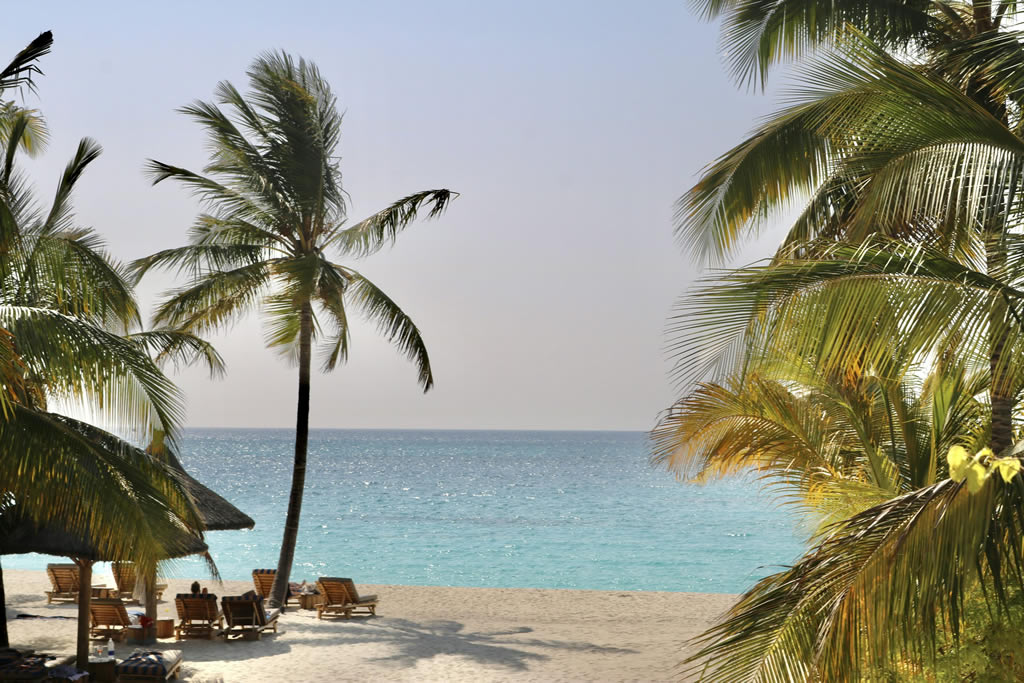
Zanzibar’s coastal zones such as Nungwi and Paje are tourist-friendly, with hotel security and organized activities. Stone Town is lively and walkable with normal city awareness.
II. Wildlife Safety on Safari
Wildlife safety is one of the biggest concerns for travelers asking, “Is Tanzania Safe to Travel?”
Safaris operate under strict safety protocols:
-
Game drives are led by trained professional guides
-
Guests remain inside vehicles during wildlife viewing
-
Guides understand animal behavior and safe distances
-
Parks enforce clear regulations
Lodges provide safety briefings upon arrival. Guests are informed about:
-
When walking requires escort
-
Safe camp boundaries
-
Proper food storage
-
Nighttime movement procedures
By following guide instructions, safari experiences remain both thrilling and secure.
III. Zanzibar Beach & Ocean Safety
Zanzibar complements safari travel with relaxation and ocean activities. Safety levels are generally good.
Visitors can safely enjoy:
-
Swimming and beach walks
-
Snorkeling and scuba diving
-
Dhow sailing
-
Local markets and spice tours
Licensed water-sport operators provide life jackets and safety briefings. Since ocean conditions vary with tides, following local guidance is important.
In Stone Town and busier market areas, travelers should practice normal urban awareness — secure valuables and avoid displaying expensive items openly.
IV. Solo Travel Safety
Solo travel in Tanzania is common and manageable.
Many solo travelers:
-
Join group safaris
-
Climb Kilimanjaro
-
Relax in Zanzibar
-
Explore Arusha independently
Key safety tips:
-
Use reputable tour operators
-
Avoid isolated areas at night
-
Arrange transport through hotels
-
Secure valuables
English and Swahili are widely spoken in tourism areas, making communication easy.
Solo female travelers also visit Tanzania comfortably. Dressing modestly in conservative regions, especially in parts of Zanzibar, encourages respectful interactions.
V. Road, Transport & Health Safety
Transport Safety
-
Safari vehicles are professionally maintained 4x4s
-
Drivers are experienced in wildlife terrain
-
Domestic flights reduce long road transfers
-
Park routes are routinely used and monitored
While rural roads may be rough, reputable operators prioritize safety and vehicle maintenance.
Health & Medical Considerations
Travel health preparation includes:
-
Malaria precautions (as advised by a doctor)
-
Sunscreen and hydration
-
Basic personal medications
Safari vehicles carry first-aid kits, and many lodges have emergency evacuation partnerships.
Major towns such as Arusha have hospitals and clinics, while high-end Zanzibar resorts can coordinate private medical support if needed.
Hotels provide bottled or treated water to ensure safe hydration.
VI. Cultural Safety & Social Etiquette
Tanzania is known for its welcoming and respectful culture.
Learning simple Swahili phrases such as:
-
Asante (Thank you)
-
Karibu (Welcome)
-
Habari (How are you?)
can enhance interactions.
Dressing respectfully near villages, mosques, or religious sites — especially in Zanzibar — fosters positive engagement.
The tourism workforce (guides, drivers, lodge staff) is experienced in working with international visitors, contributing to an overall sense of security and hospitality.
Is Tanzania Safe to Travel? Final Verdict
Yes — Tanzania is safe to travel for most visitors when using common sense and reputable operators. Tourism areas are structured, wildlife safaris are professionally managed, and hospitality services are well-established.
Like any international destination, awareness and preparation are essential — but for the vast majority of travelers, Tanzania offers a safe, welcoming, and unforgettable experience.
Share Article:

keshi